Bianca Weber · 27 September 2026
Decoding User Behavior Signals in Algorithmic Content Prioritization for Niche Platforms
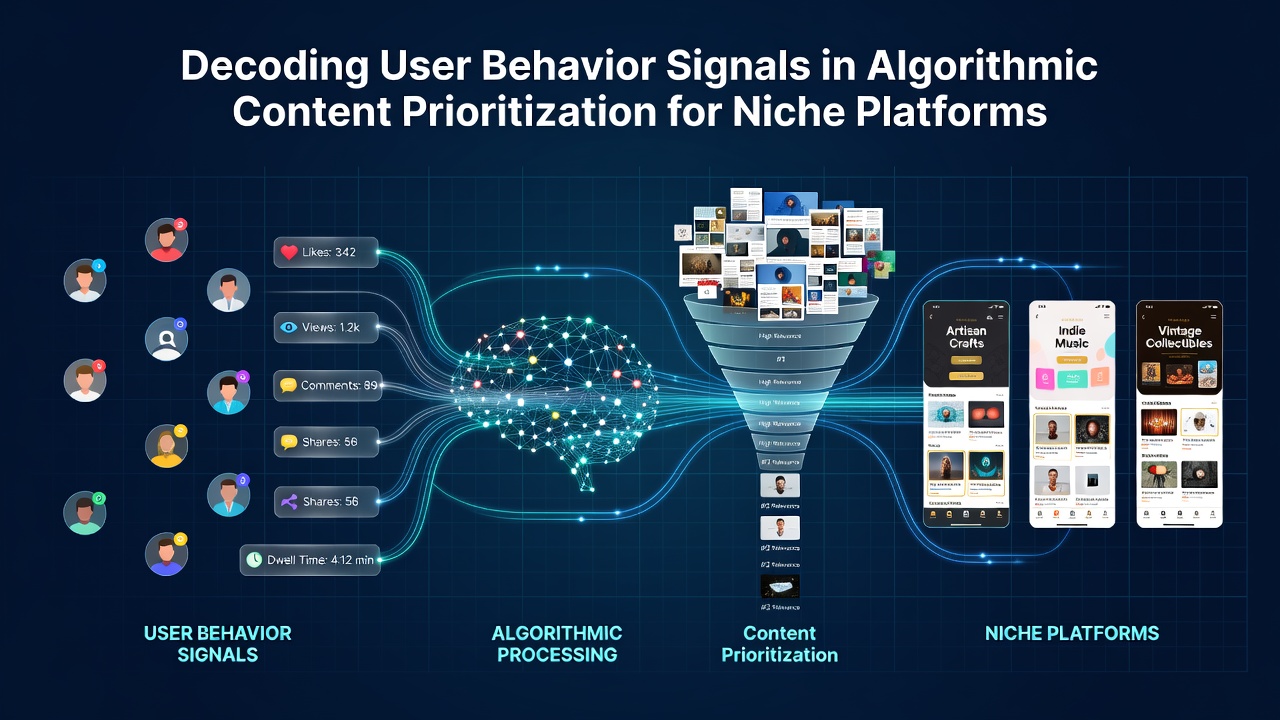
Algorithms on niche platforms process a range of user behavior signals to determine which content appears first in feeds, search results, and recommendations, and these signals include dwell time, scroll depth, click-through rates, and sharing actions that platforms collect at scale. Researchers track how these metrics interact because platforms must balance relevance with user retention in communities focused on topics such as vintage audio equipment, urban gardening techniques, or independent game development. Data shows that dwell time often correlates with higher ranking positions when users spend more than thirty seconds on a post, while rapid scrolling past content tends to lower its visibility in subsequent displays.
Core Signals Platforms Monitor
Click-through rates from homepages or category pages serve as an initial filter that many niche systems apply before deeper engagement metrics come into play, and studies indicate that items receiving above-average clicks within the first hour after publication frequently receive additional distribution. Scroll depth measurements reveal how far users move through longer articles or discussion threads, with figures from platform analytics revealing that content holding attention past the midpoint often earns priority boosts in later cycles. Sharing patterns, whether through direct platform tools or external links, add another layer because repeated shares within tight-knit user groups signal community value that algorithms weigh against raw view counts.
Comment volume and reply chains provide temporal data points as well, since sustained conversation over hours or days can trigger re-ranking, and observers note that platforms adjust weights on these signals periodically to counter manipulation attempts. In September 2026 several niche platforms updated their models to incorporate session replay summaries that aggregate mouse movements and hover times without storing individual user identities, and these changes followed regulatory guidance issued by bodies such as the Australian Competition and Consumer Commission.
Algorithmic Weighting Across Different Niches
Specialized platforms serving hobbyist communities often assign higher importance to repeat visits from the same accounts because returning users demonstrate sustained interest that one-time visitors do not, and this pattern holds across forums dedicated to mechanical watches or regional hiking trails. Content prioritization systems compare a post's performance against similar items posted at comparable times, creating relative rankings that shift as new material arrives, while absolute metrics like total views matter less than velocity of engagement within narrow time windows. Platforms that host long-form technical discussions frequently emphasize completion rates for embedded videos or code samples, because partial views suggest mismatch between headline promise and actual material.
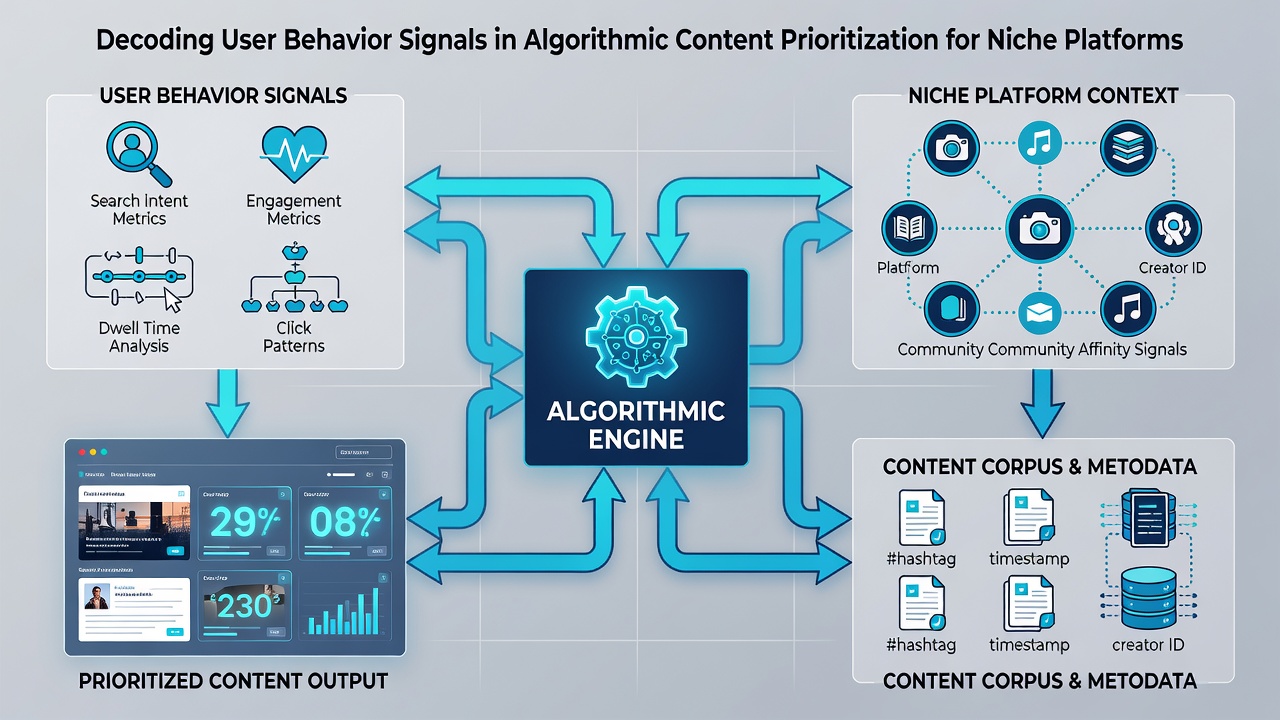
One study revealed that platforms weighting comment quality over quantity saw improved retention among core users, whereas systems relying solely on volume experienced higher churn when low-effort replies dominated threads. Geographic data sometimes factors into these calculations when platforms serve regional subgroups, and researchers discovered that location-based signals help surface locally relevant updates without diluting global community content.
Research Findings on Signal Effectiveness
According to reports published by the Pew Research Center, users on topic-specific sites engage more consistently with content that matches their established interaction history, and this consistency allows algorithms to refine predictions over successive sessions. Pew Research Center analysis examined several thousand accounts across hobbyist networks and found measurable lifts in session length when platforms surfaced items aligned with prior dwell patterns. Academic work from institutions in Canada has further documented how small adjustments to signal thresholds can shift visibility for newer contributors versus established voices, creating measurable differences in participation rates.
Platform logs also capture negative signals such as rapid exits or downvotes that suppress future distribution, and data from multiple sources indicates these negative indicators often carry greater weight than equivalent positive actions because they reduce the risk of presenting unwanted material. External link clicks that lead away from the platform sometimes register as neutral or slightly negative depending on the niche, since prolonged off-site time can compete with on-platform engagement goals.
Practical Implementation Patterns
Engineers at niche platforms frequently test signal combinations through controlled experiments that isolate individual metrics before full rollout, and results from these tests show that combining dwell time with share velocity produces more stable rankings than either metric alone. Systems must also account for seasonal topic spikes, such as increased activity around certain events or product releases, because baseline engagement levels shift and require recalibration of thresholds. Observers note that platforms serving professional niches, including open-source software communities, place additional emphasis on code interaction metrics like repository visits or issue comments that occur after initial content discovery.
Integration with search functions adds another dimension because users who arrive via external queries often exhibit different behavior patterns than those browsing internal feeds, and algorithms adjust accordingly to avoid penalizing content that performs well only in one context. Maintenance of these systems involves ongoing review of signal drift, where user habits evolve and previously reliable indicators lose predictive power, prompting periodic model retraining cycles.
Conclusion
Platforms continue to refine their approaches to user behavior signals as data collection methods advance and regulatory expectations evolve, and the interplay between dwell time, engagement velocity, and community feedback remains central to content prioritization on specialized sites. Evidence from multiple regions demonstrates that careful calibration of these signals supports both user satisfaction and platform sustainability when implemented with attention to context-specific factors. Ongoing research tracks how new measurement techniques influence outcomes, providing platforms with updated frameworks for maintaining relevant feeds across diverse niche audiences.